
Zero waste and upcycling for UK kitchens
Start zero waste living at home without the guilt
Plain-English guides for normal kitchens, normal bin days and a budget that has to stretch.
The heaviest thing in most UK bins is food
Start here
Where most people actually start
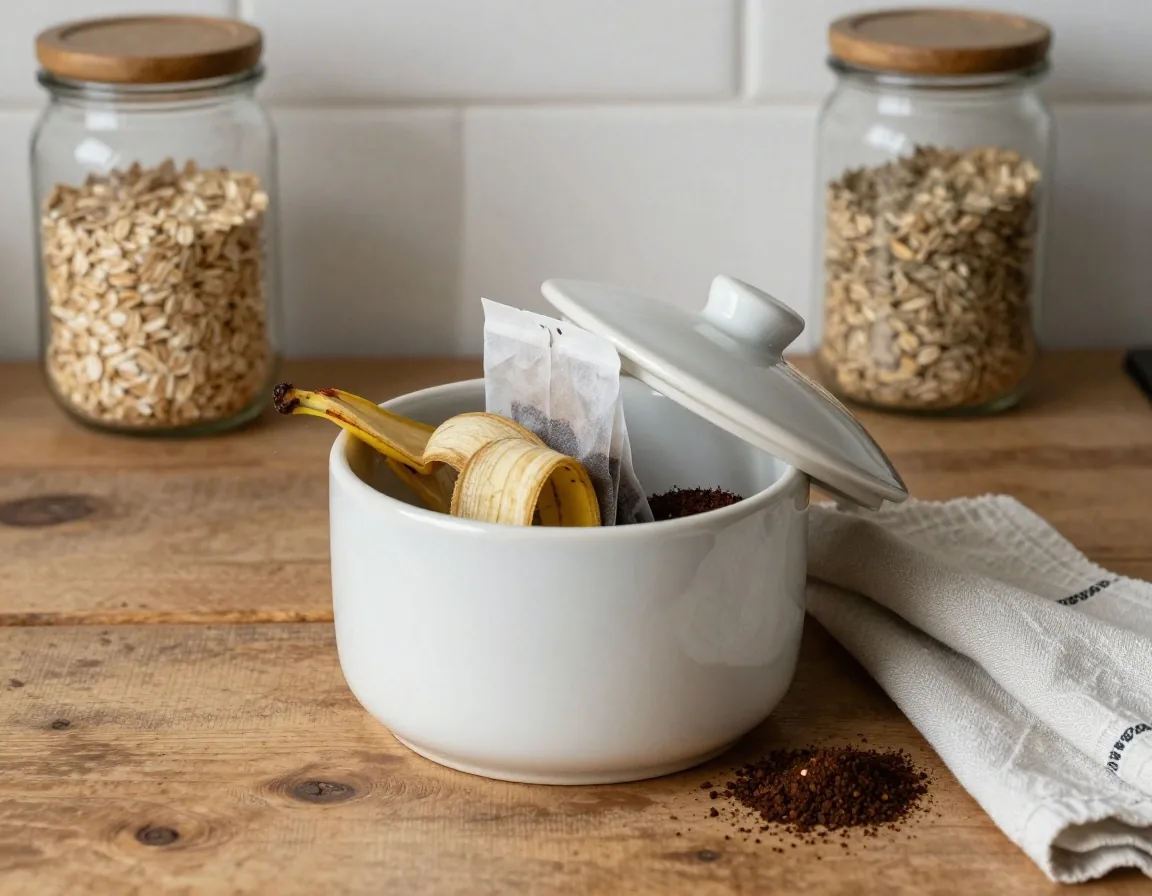
The first useful step is usually the kitchen caddy, not a cupboard overhaul. Food scraps are the heaviest part of most household bins, so getting them into a compost bin or a council food waste collection changes your weekly volume faster than anything else.
If you have a garden or a balcony, the composting at home guide is worth an evening. If you don't, skip it and start with one change you can repeat tomorrow morning. Big restructures tend to collapse by Thursday.
The honest version
What a low waste home looks like in practice
Zero waste living in the UK rarely means a jar of rubbish for a year. It means fewer single-use items coming through the door and more things getting reused before they leave.
A bread bag you wash
Cloth and reusable produce bags fold into a coat pocket, which is the only reason they come back out at the supermarket. Rinse, dry, repeat.
A bottle that lives in your bag
Not a new one — the one already in your cupboard. Plastic free alternatives only work if they are the easiest thing within reach.
A shelf of refillable containers
Sustainable home essentials are the ones you already own. Small and boring beats dramatic and abandoned — the starter guide walks through the first month step by step.
About 20 minutes of reading, written for a normal kitchen and a normal week.
The reliable swap for cling film on cheese, half a lemon and a wrapped sandwich. Not for raw meat. Warmth from your hands is what makes it hold.
Reusable produce bags replace the thin plastic rolls and let loose veg breathe instead of sweating in a sealed bag. Machine wash them with the tea towels.
White vinegar and bicarbonate of soda cover most surfaces in a UK kitchen. Eco friendly kitchen cleaning is mostly about diluting properly, not about buying new sprays.
Kitchens first
Kitchen swaps that survive a real week
Kitchens generate the most waste and offer the quickest wins. The swaps above are the ones that tend to stick, because each one replaces something you were already buying and already using badly.
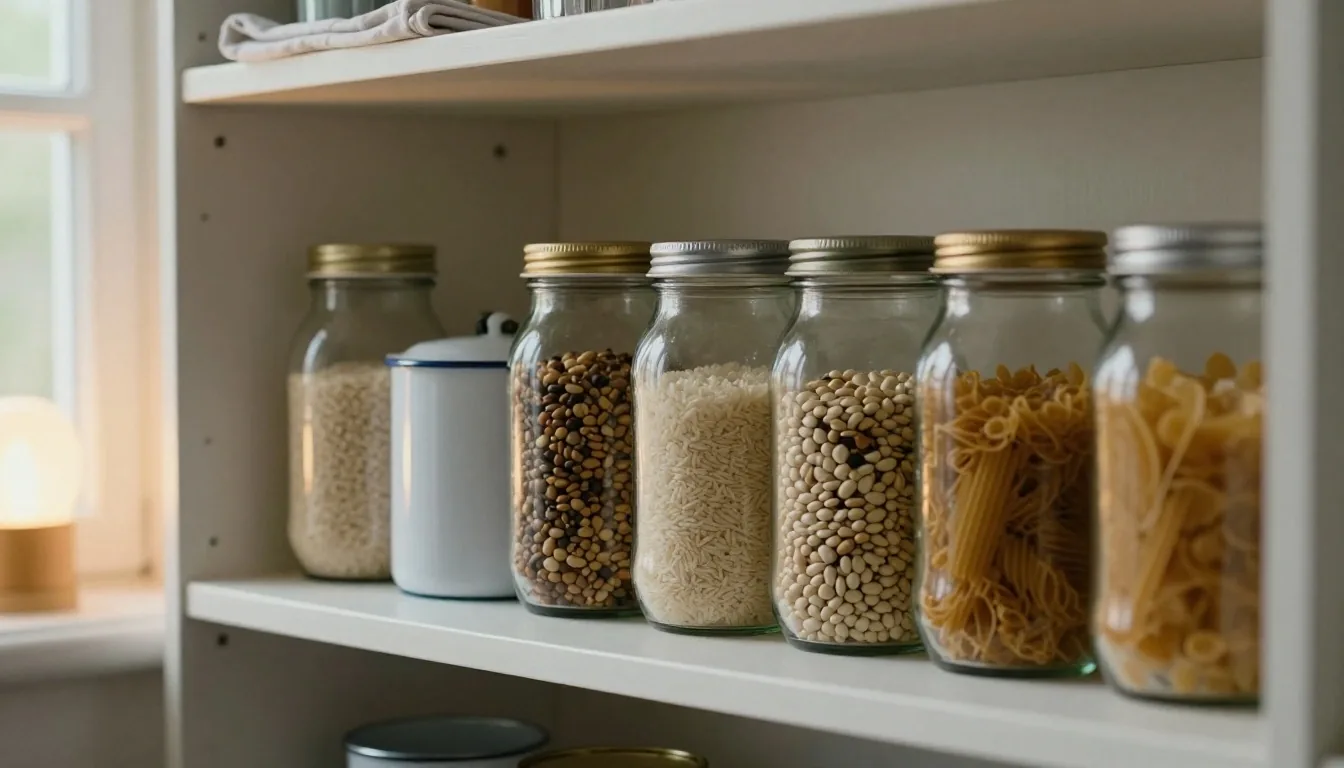
Plastic free food storage is the easier half of zero waste kitchen swaps: glass jars for dry goods, a lidded tin for biscuits, a cloth over proving dough. The harder half is the habit of washing and returning things to the same shelf so they are there next time.
Browse kitchen swaps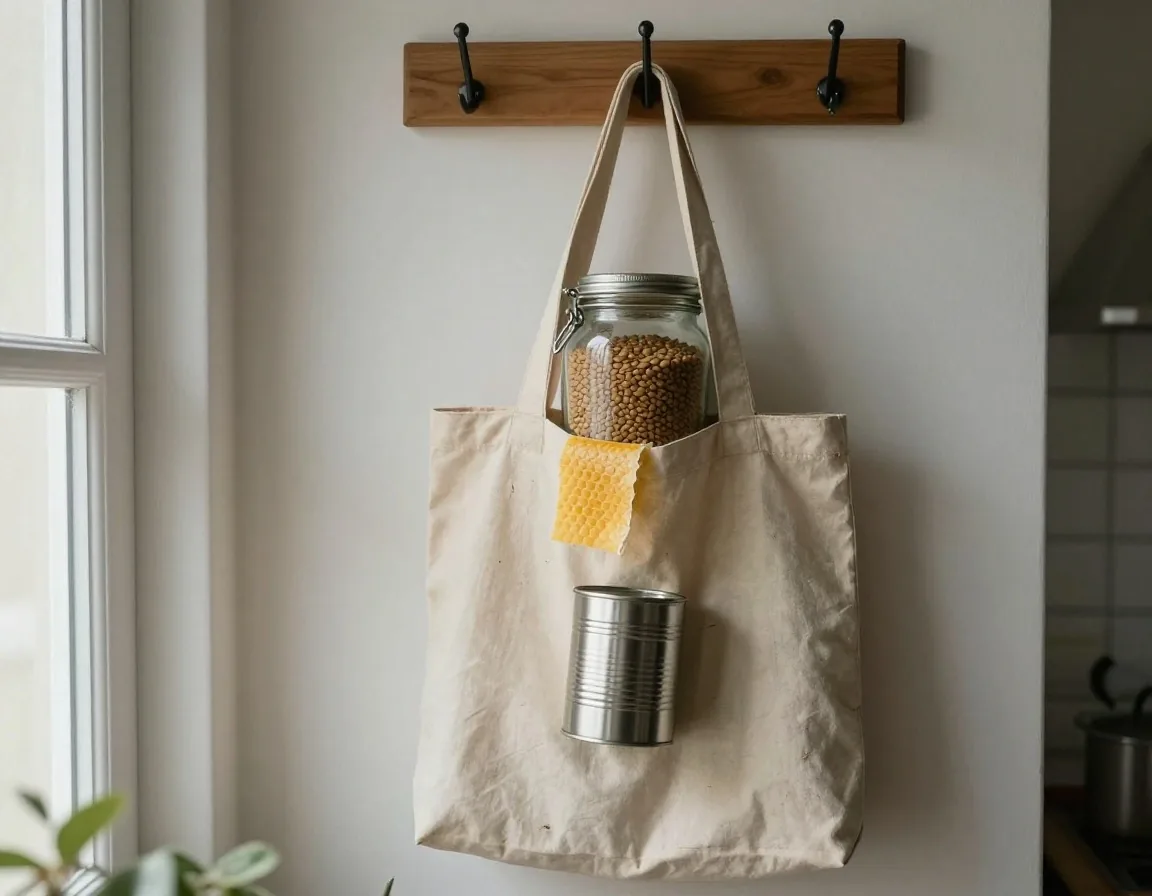
Three swaps that hold: wrap, bag, jar
Before the skip
Upcycling before you buy new
Most things people throw out still have a job. Upcycling keeps an item in use; recycling breaks it down and remakes it, which uses more energy. Both beat landfill, but they are not the same act.
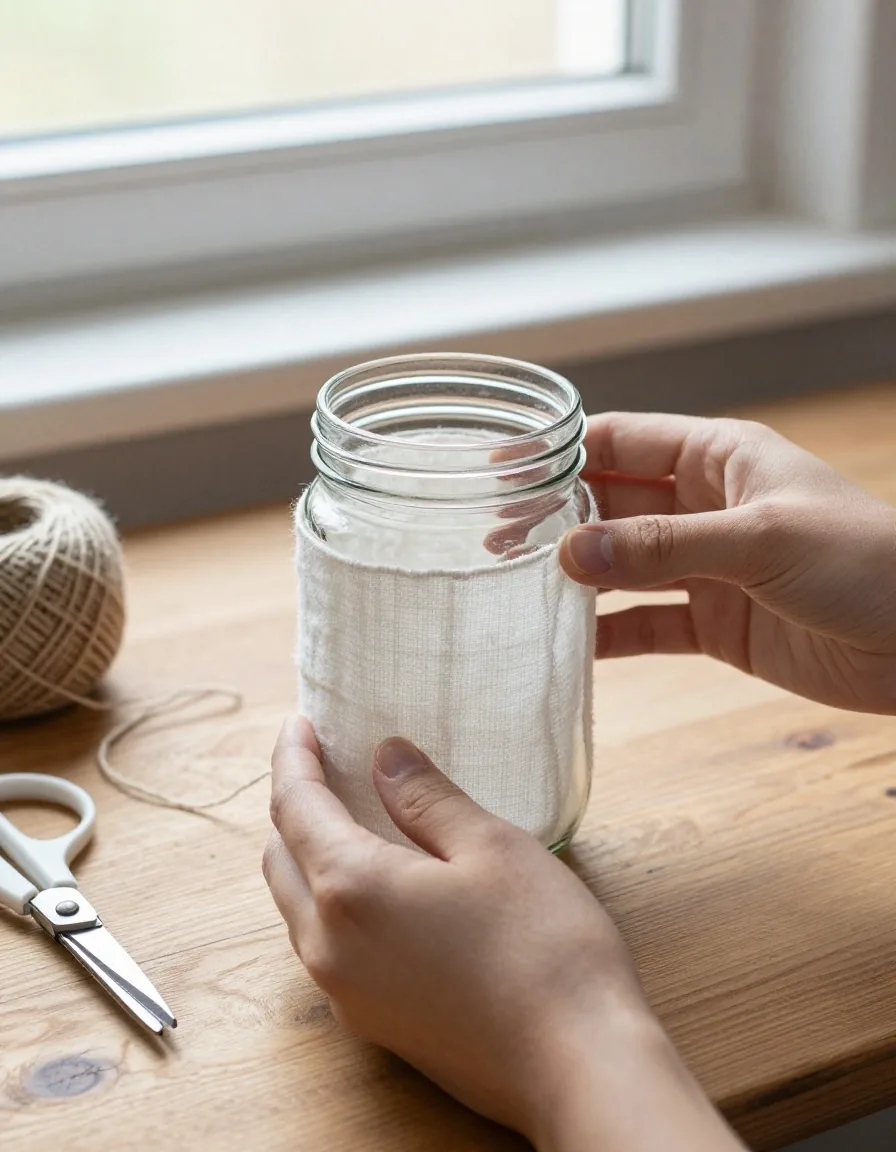
Wrapping a jam jar for dry goods. Wash in hot soapy water and let it dry completely, or the contents clump.
How to upcycle glass jars, reliably
Glass jars become storage for dry goods, pen pots or overnight oats. Sticky labels come off with warm water and a scrape, or a rub with oil for stubborn glue. Never reuse a jar that held paint, chemicals or anything not food-safe for food storage. Jars that held jam, sauce or coffee are fine once clean.
Repurposing old clothes without a sewing machine
Old cotton t-shirts become cleaning cloths, hair ties or patch material. Check the fabric content before you cut — a cotton shirt tears into rags by hand, a poly-blend one frays into something you will not want to use. A wooden chair with a wobble usually needs a screw and some wood glue, not a skip.
Nothing here needs to be done in order
Pick two habits and hold them for a season before adding a third. Slow, uneven progress is the normal shape of this.
Get sustainable shopping tipsBuying less, better
Shopping that doesn't pretend to be perfect
Sustainable shopping is less about brands with green labels and more about volume and packaging. Buying oats, rice and pasta from a refill shop or a bulk bin cuts the plastic that comes with smaller packets. Loose fruit and vegetables usually cost the same as the pre-packed version and let you buy only what you'll eat.
When a refill shop isn't nearby, a larger bag from the supermarket still beats five small ones. If you want a starting point on how to buy in bulk without a car boot full of tupperware, the sustainable shopping tips page covers packaging weights, refill etiquette and how to weigh your own containers.
Get sustainable shopping tipsWhat to ignore while you're starting
You do not need matching glass jars, a bamboo toothbrush subscription or a compostable phone case in week one. Those things cost money and change little.
- Spend the first month watching what actually fills your bin.
- Note the three items you throw out most often.
- Replacing gear you already own is not waste reduction.
That list, not a shopping haul, tells you where to focus next.
Where to go next
How this site is organised
Five guides cover the ground most households need. We keep the advice UK-specific, mention when a local rule matters, and avoid claiming a single method works everywhere.
Zero Waste Starter Guide
The first month, step by step: kitchen caddy, bin audit, two habits to keep. Written for zero waste tips for beginners and people who have tried before and stalled.
Kitchen Swaps
Wraps, bags, storage and cleaning — with the point where each swap usually fails. Covers beeswax wraps usage and care in detail.
Upcycling Projects
Simple upcycling projects with no power tools: jars, cloth, wood and fabric. Creative upcycling ideas for upcycled home decor DIY.
Composting at Home
Council collection, a garden heap, a wormery or a bokashi bin — and how to tell which one fits your home. Composting food scraps at home gets its own page because the rules differ by council and by whether you have outdoor space.
Sustainable Shopping
Refill shops, bulk bins, loose produce and packaging weights. A reusable produce bags guide sits inside it, along with how to buy in bulk when there is no refill shop within walking distance.
A note on council rules
Food waste collection, recycling categories and garden waste rules vary across England, Scotland, Wales and Northern Ireland. Check your local council's page before assuming a material is recyclable kerbside. Soft plastics, for example, are collected at some supermarkets and not others.
When you know your council's list, sorting gets faster and you stop contaminating the recycling bin. That is also the upcycling vs recycling difference in practice: one keeps an item in use, the other sends it back through a process that has to accept it first.
Honest limits
When a swap doesn't work for your home
Not every idea suits every household. A family of five with a small kitchen may not have room for twelve storage jars. Someone in a flat without outdoor space can't run a compost heap, though a wormery or council collection still works.
If a swap adds stress, parking it for six months is fine. The aim is a routine you keep, not a perfect shelf.
Keeping it going past January
Most low-waste routines die from overreach. Pick two habits and hold them for a season before adding a third. A visible list on the fridge, or a note in your phone, reminds you which bags to take.
-
1
Restock refills when they run out, not on a schedule. Shopping trips become smaller and less frequent on their own.
-
2
Keep the bags where you will actually see them — by the door, in the coat, in the pannier. An invisible bag is a forgotten bag.
-
3
Add one habit per season, not per weekend. Sustainable lifestyle habits are built by repetition, not by a big clear-out.
Questions we get
Starting out, without the shopping list
Four things people ask before their first week. If your question isn't here, send it across — the good ones become articles.
Send us a topic ideaRethink & Reuse is an editorial resource, not a shop. We do not sell starter kits or recommend brands we have not used.
Do I have to buy a starter kit to begin?
No. A container for food scraps, a couple of cloth bags and a water bottle you already own cover the first month. Buy replacements only when something wears out.
Is zero waste living expensive?
It can be, if you buy new gear first. Refilling staples and reusing containers usually costs less than the packaged versions over a few months. The savings come from buying less, not from buying green products.
Where do I start if I live in a flat?
Start with food waste and shopping. A small caddy, a council food waste collection if available, and reusable produce bags cut a large share of what you throw out without needing outdoor space.
Can I compost without a garden?
A wormery or a bokashi bin fits on a balcony and handles most kitchen scraps. Check the composting page for the differences before choosing.
Pick one thing this week and see what changes
The starter guide takes about twenty minutes. Everything else on the site can wait until you need it.
Rethink & Reuse · London
42 Bramley Road, N14 4HR · Mon–Fri, 9:00–18:00