
Who writes this site
About Rethink & Reuse
Rethink & Reuse is an independent editorial site for UK households working on zero waste and upcycling. This page explains who writes it, how the guidance is put together, and what we won't do.
Editorial, not a shop
No product line, no storefront, no membership
Written for normal homes
Flats, rented kitchens, ordinary budgets
Facts we can point to
No numbers without a source
What this site is
A guide you can follow on an ordinary week
Rethink & Reuse publishes guides on zero waste living, kitchen swaps, upcycling, composting, and sustainable shopping. Everything is written for people starting out, with a UK focus on council rules and the shops actually near you. There's no product line, no affiliate storefront, and no membership to sign up for.
The site grew out of a simple problem: most advice about how to reduce household waste assumes a bigger kitchen, a car, a garden, and a lot more free time than most of us have. So the guides here start with the swap you can make this week and work outward. A plastic free food storage change, a beeswax wraps usage and care routine, a reusable produce bags guide — small moves that survive a busy month, not a one-off overhaul you abandon by February.
Where to start
New to this? The zero waste starter guide walks through a kitchen, a bathroom and a shopping list in the order most households tackle them.
Zero Waste Starter GuideWho it's for
Built for the households most guides skip
The advice here assumes a normal budget and a normal amount of time. If a swap needs a workshop, a second freezer or a landlord's permission, it doesn't belong on this site.
Renters and small kitchens
You can't drill into the wall or install a compost bin in a shared courtyard. So the low waste home guide here leans on countertop compost caddies, council food waste collections, and swaps you can undo when you move out — including how to upcycle glass jars into storage you can take with you.
Families with full kitchens
Full cupboards, busy weeknights, a bin that fills faster than you'd like. Kitchen swaps and composting food scraps at home are the two chapters that usually move the needle first.
Anyone who abandoned a green overhaul
Most people who quit didn't lack commitment. They bought a shelf of containers, then ran out of a system. We write for the second attempt instead.
People with a mending pile
Repurposing old clothes, simple upcycling projects and upcycled home decor DIY all start from something you already own. The guides here describe the difference between upcycling vs recycling as a practical choice, not a ranking — some things are genuinely better recycled than remade.
How pages are researched
Read the rules, then write them plainly
We read council guidance, manufacturer instructions, and general reference material, then write it in plain English. Where a rule varies by region — food waste collection, textile recycling, which plastics a kerbside service actually takes — we say so rather than pick one version and present it as national fact.
We don't publish studies we haven't checked, and we don't cite numbers we can't point to a source for. If a claim in a guide can't survive that test, it gets cut rather than softened.
-
Start with the local rule
Collection schedules, accepted materials and recycling categories come from the council or service that runs them. That's the only version a reader can act on.
-
Check the manufacturer on any product
Beeswax wraps usage and care, reusable produce bags, plastic free food storage containers — each has a care limit. We take the instruction from the maker, not from a round-up.
-
Test it against a normal kitchen
Eco friendly kitchen cleaning and zero waste kitchen swaps have to work with the hob, sink and storage space a household already has. If a step needs equipment we'd have to recommend buying, it goes back a draft.
-
Write it without the vocabulary
Zero waste tips for beginners fail when they read like a manifesto. The final pass strips jargon and states what to do on Monday morning.
Editorial independence
Nobody pays for a place in a guide
No sponsored content and no paid placements inside guides. If we ever name a specific shop or service, it's because it's relevant to the reader, not because of a payment. There are no affiliate links on this site.
If that ever changes, the disclosure goes on the page where it appears — not tucked into a footer. Sustainable shopping tips and how to buy in bulk are written to help you choose in whatever shop you already use, rather than to move you toward one.
That independence is also why you won't find us ranking brands against each other. A refill station that suits a high street in one city may be useless in another; the useful part is what to look for when you get there.
What we avoid
Guarantees, big claims, green buzzwords
Zero waste is not a competition, and we don't pretend a household can eliminate all waste. The test for any advice on this site is simple: does it work in a normal home without spending much?
Claims
No promises that a swap will eliminate a waste stream, save a set amount of money, or solve anything in a fixed number of weeks. A change either helps your household or it doesn't.
Language
No planet-saving framing around a jar of lentils. Eco friendly living ideas only earn their place here when they're practical enough to describe in one paragraph.
Replacement culture
No advice that starts with buying a new kit. If your existing plastic tubs work, keep using them until they don't — that's reusing everyday items doing its job.
Fads
No trend that requires replacing a working item. Upcycled home decor DIY should grow out of something already in the cupboard, not a shopping list.
Certs and seals
We don't award badges, score households, or hand out a seal of approval. We explain what a label means and where the scheme is administered.
Corrections and updates
Guides get reviewed when council rules change or when a swap turns out to be less useful in practice than it looked on paper. A beeswax wrap that fails after two months of a hot kitchen, a kitchen caddy that a council won't collect — those corrections matter more than new pages.
If you spot something out of date or wrong, tell us through the contact page. We'd rather fix a page than leave a stale tip standing. Updates are made in place, not buried in a changelog or announced as a new article.
See the contact pageFix it, don't file it
-
A rule that changed in your area — tell us the council and the change.
-
A step that didn't work at home — what you tried and what happened instead.
-
A source or instruction we missed — a link or the maker's own wording helps most.
How to get involved
Questions, topics and things we got wrong
You can send a question, suggest a topic, or point out something we missed. Topic suggestions are useful when they're specific: a swap you tried, a problem you hit, a region we got wrong. We read everything and reply when a response is useful.
Before you write, it's worth checking the four chapters most questions land in. They cover the common route into zero waste living and the parts people ask about most.
Who actually writes and checks this site?
A small editorial team writes and reviews every page, working from council guidance, manufacturer instructions and reference material. There's no outside agency filling pages in, and no sponsored contributor slots.
Do you sell products or a starter kit?
No. Rethink & Reuse is an editorial resource. We describe a zero waste starter kit you could assemble from things you likely own already, but we don't sell a boxed version and there's no shop attached to this site.
Why does the advice vary by council?
Because collection rules genuinely differ. What a kerbside service accepts for food waste or textiles in one area can be refused twenty miles away. Rather than publish one version as the standard, guides state where the rule varies and what to check locally.
Are the images on this site of your own home?
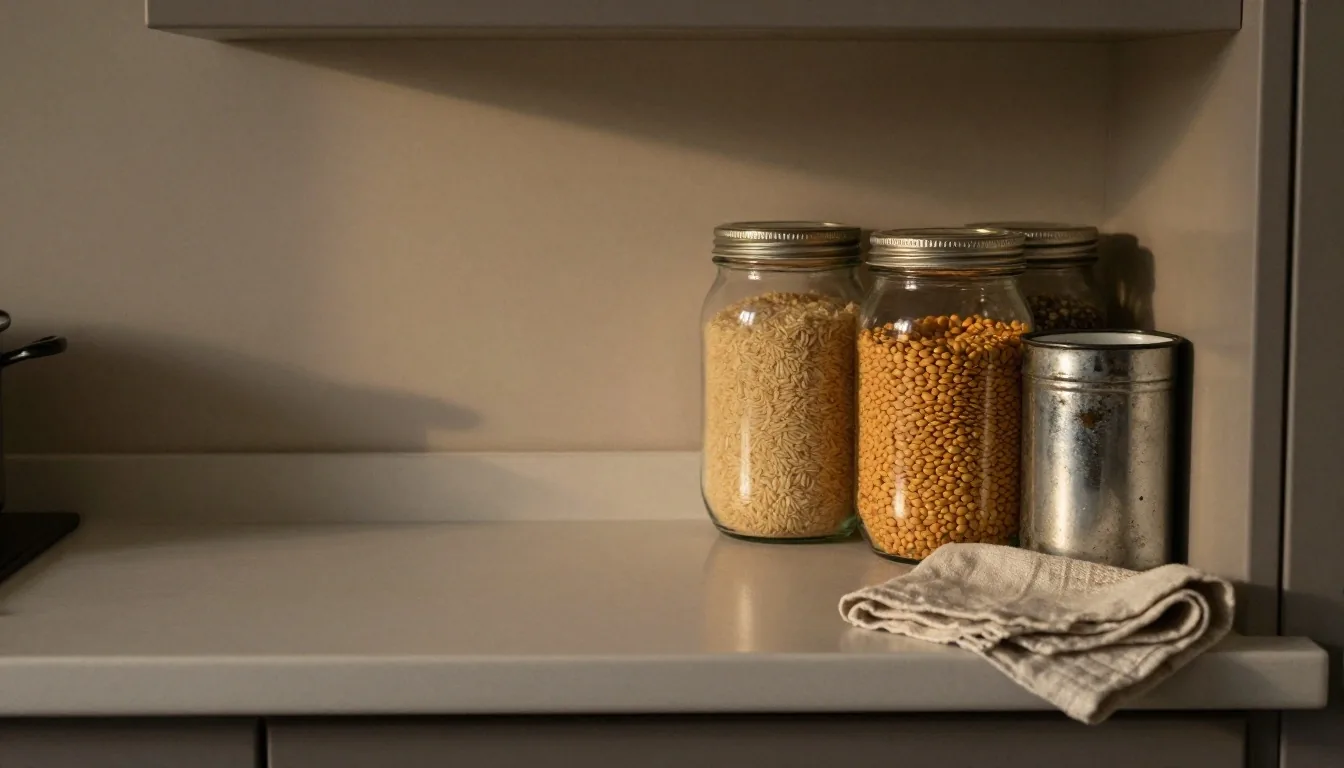
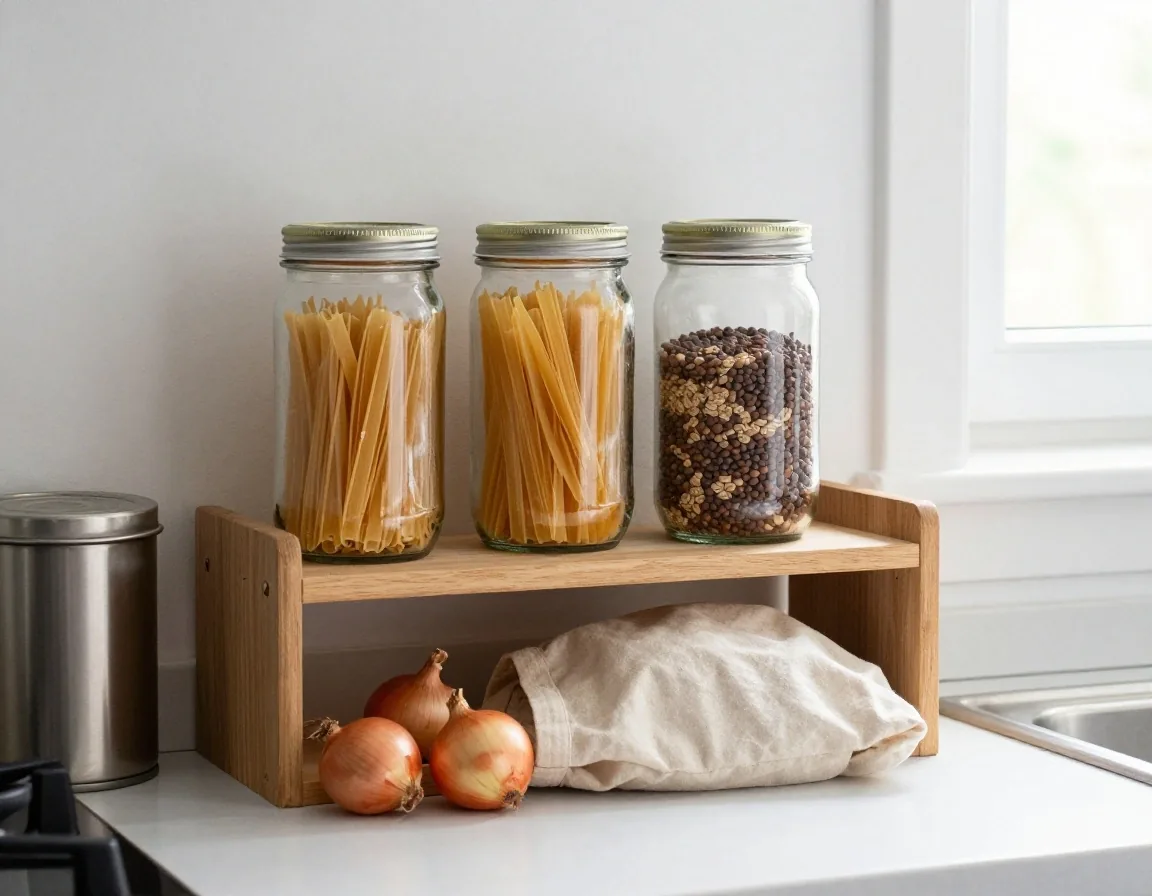
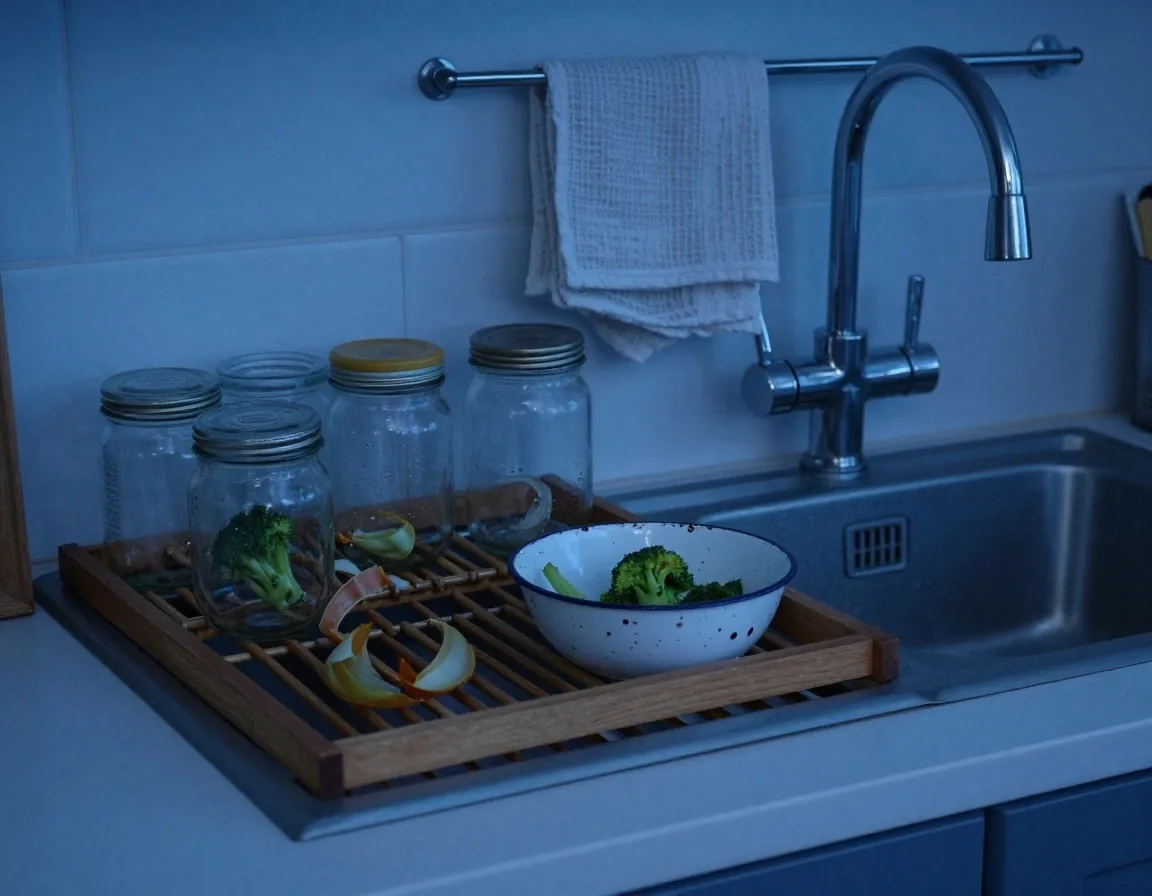
The photographs show ordinary UK kitchens and the materials the guides talk about — jars, tins, cloths, produce, scraps. They're there to show how a swap looks in a real room, not to present a styled showroom.
How quickly do you answer a message?
We read everything that arrives and reply when a response is genuinely useful. If your note leads to a page being corrected, that tends to happen faster than a general question. The contact page has the current details.
Start where you are
Pick one page and try the first swap this week
Rethink & Reuse · 42 Bramley Road, London, N14 4HR
Monday to Friday, 9:00 AM – 6:00 PM