Rethink & Reuse Rethink & Reuse UK kitchen guide
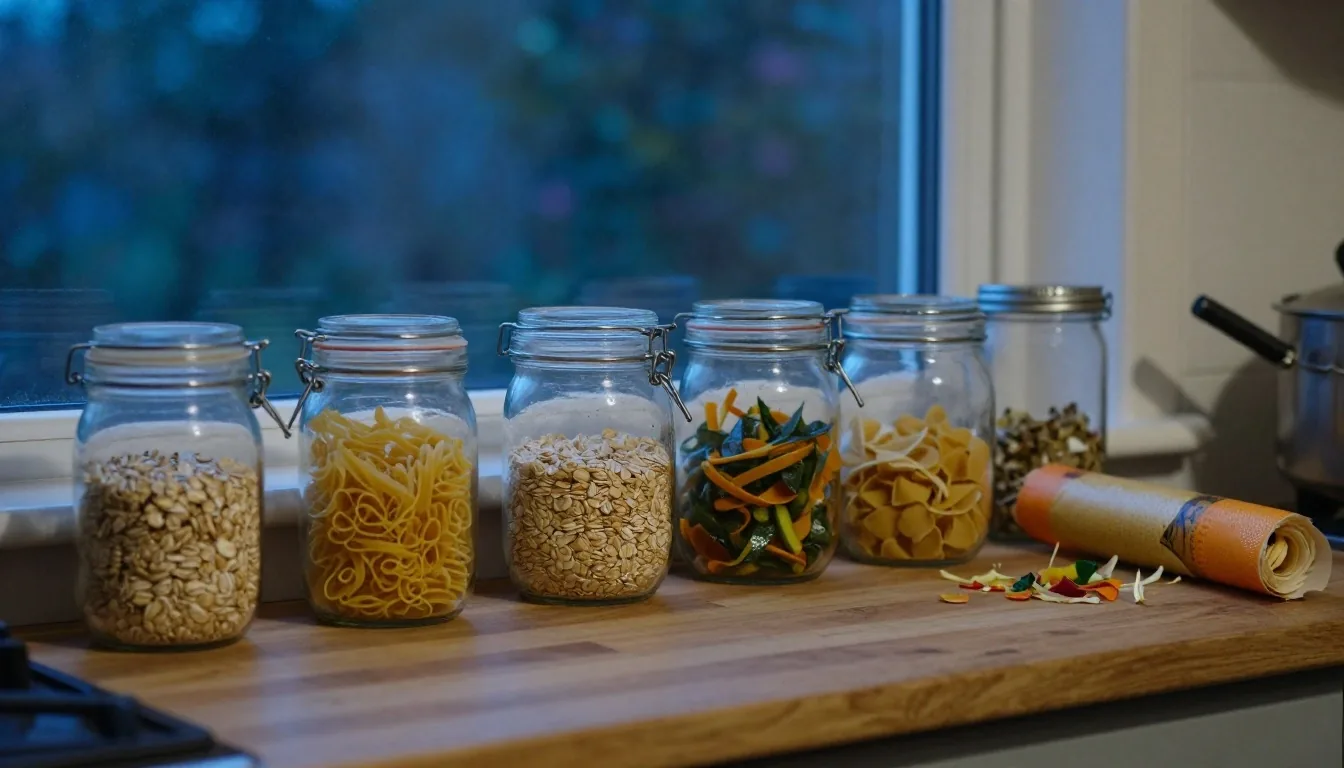
A UK kitchen counter at dusk with glass storage jars, a tray of vegetable scraps and a folded beeswax wrap

Kitchen swaps · Rethink & Reuse

Kitchen swaps that cut waste every week

The kitchen is where most household waste is generated and where the quickest swaps live — including the ones that fail, and why.

Where the waste actually comes from

Why the kitchen first

Food scraps, packaging, and cleaning supplies all pass through the kitchen, so changes here reach further than anywhere else in the home. A single swap — moving produce into cloth bags — removes a plastic stream you currently handle every week. Stack a few of those and the bin gets noticeably lighter.

If you are starting from zero waste tips for beginners, resist the urge to buy a whole matching set. The swaps below are ordered roughly by how much they cut, so the top of the list carries most of the weight. You can work down it at whatever pace your cupboard allows.

Start here

One room, three waste streams

Packaging arrives with the shopping, food scraps leave with the cooking, and cleaning bottles run out on their own schedule. Each stream has a swap that closes it.

Food storage without cling film

Three storage swaps, ranked

Replaces cling film

Beeswax wraps

They cover cheese, cut fruit, and bowls — but not raw meat or fish. Wash in cool water with a little soap and let them air dry, because hot water melts the wax and ruins the cloth. Expect roughly a year of use before they can be re-waxed or composted at the end of their life. That cold-water rule is most of beeswax wraps usage and care: get it right and the wrap keeps working.
Check first

Glass and stainless containers

For leftovers, a lidded glass or stainless container beats both wrap and film. Before you buy anything, dig out the takeaway containers you already own and check whether they are reusable — many are. Buying a set when a drawer full of lids already exists is the classic first-month mistake.

Refilling staples

Buy in bulk where it works, larger bags where it doesn't

Oats, rice, pasta, flour, and nuts can be refilled at shops that sell them loose, or bought in larger bags where refills aren't available. Take your own containers to a refill shop and weigh them first, so the till can subtract the jar weight.

Bring your own jar

A clean, dry jar with a lid travels fine. Weigh it before filling so the shop staff can deduct the container.

Store it airtight

Refilled dry goods keep best in airtight jars. Larger bags cut packaging per portion even when the material is the same.

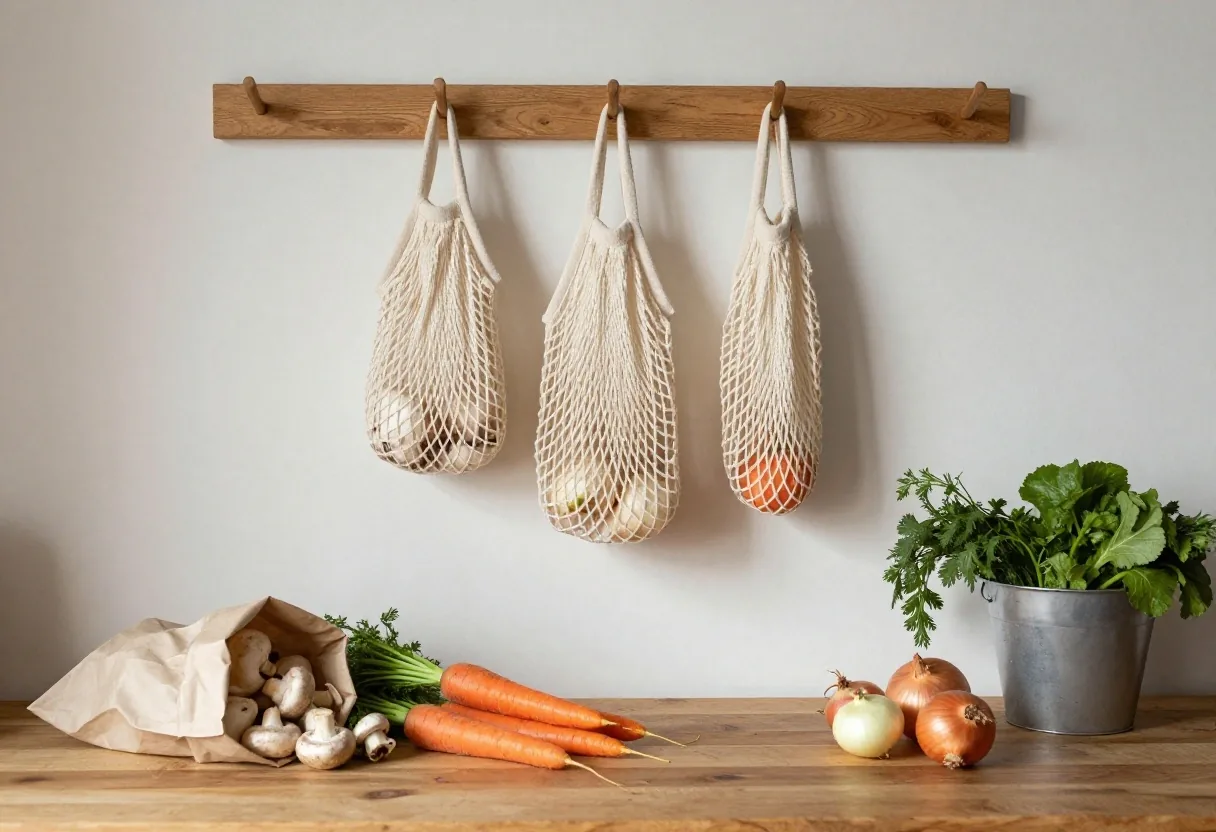
Cloth and mesh reusable produce bags hanging on a rail next to loose vegetables in a kitchen

Reusable produce bags guide

A set of cloth bags only works if it reaches the shop

Cloth or mesh bags replace the thin plastic rolls at the supermarket. The practical tip is to keep them inside your shopping bag, so you don't leave them at home. Loose carrots, potatoes, onions, and fruit go in without a problem. Mushrooms and soft herbs do better in a paper bag or a container, and anything you buy in a bag can usually go loose if you ask at the till.

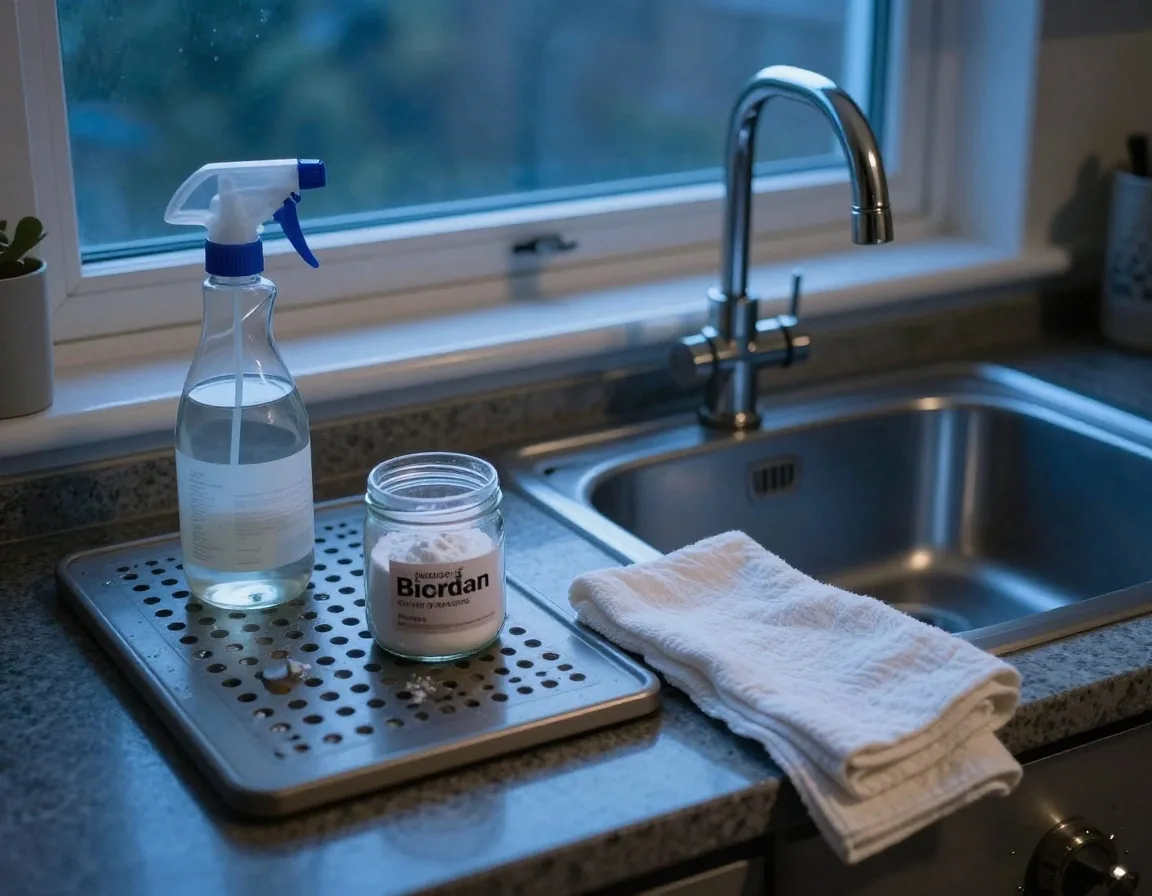
A kitchen sink area with a spray bottle of diluted vinegar, a jar of bicarbonate of soda and a cotton cloth

Eco friendly kitchen cleaning

Cleaning with vinegar and bicarbonate

White vinegar and bicarbonate of soda cover most kitchen cleaning: sinks, hobs, worktops, and the inside of the fridge. Vinegar handles limescale and light grease; bicarbonate lifts stains and deodorises. Don't mix them in the same bottle, because they neutralise each other and you lose both.

A spray bottle of diluted vinegar replaces several products and cuts the plastic they come in, which makes it one of the easiest plastic free alternatives to set up. For wooden surfaces, use a damp cloth and mild soap instead — vinegar dulls the finish over time.

  • Dilute vinegar in a labelled spray bottle; use it on limescale, glass, and light grease.
  • Keep bicarbonate dry in a jar for stains, drains, and the fridge shelf wipe-down.
  • Never combine the two in one container — they cancel each other out.

How to reduce household waste

Reducing food waste week to week

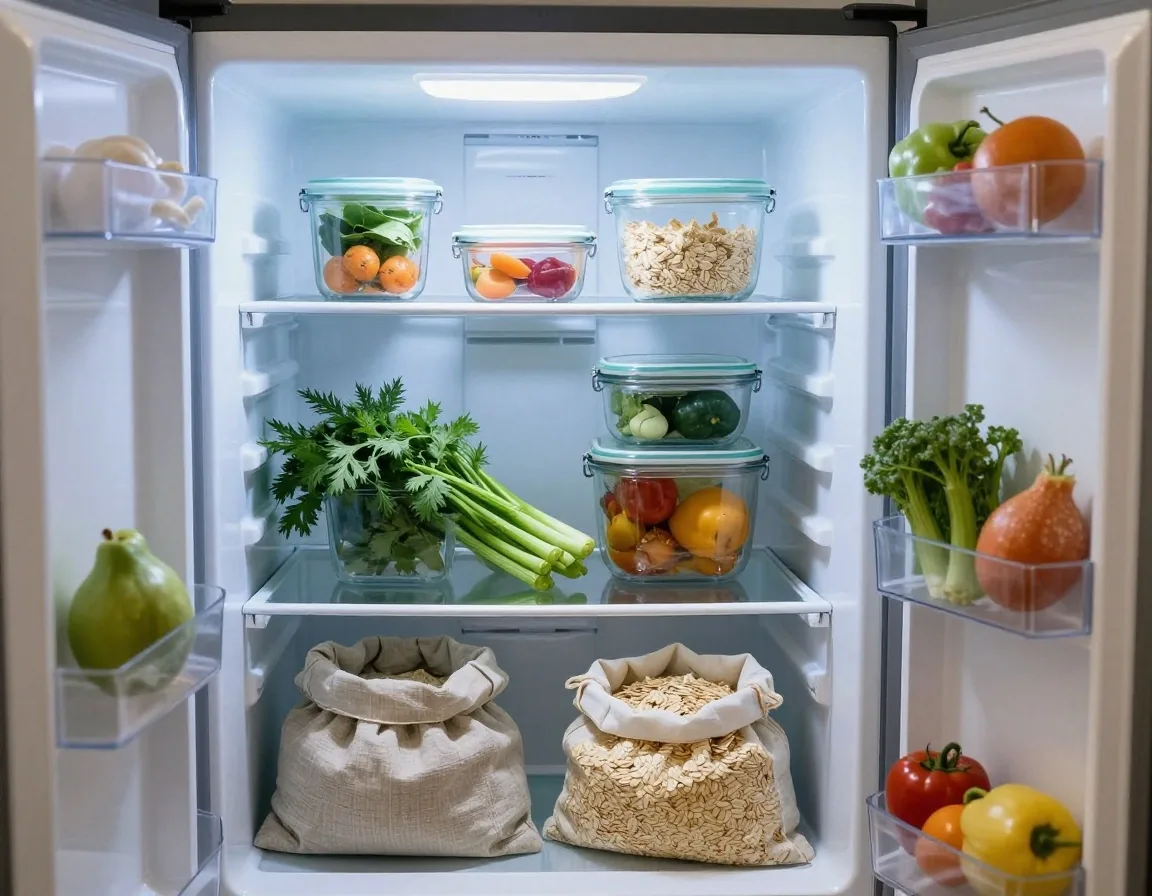
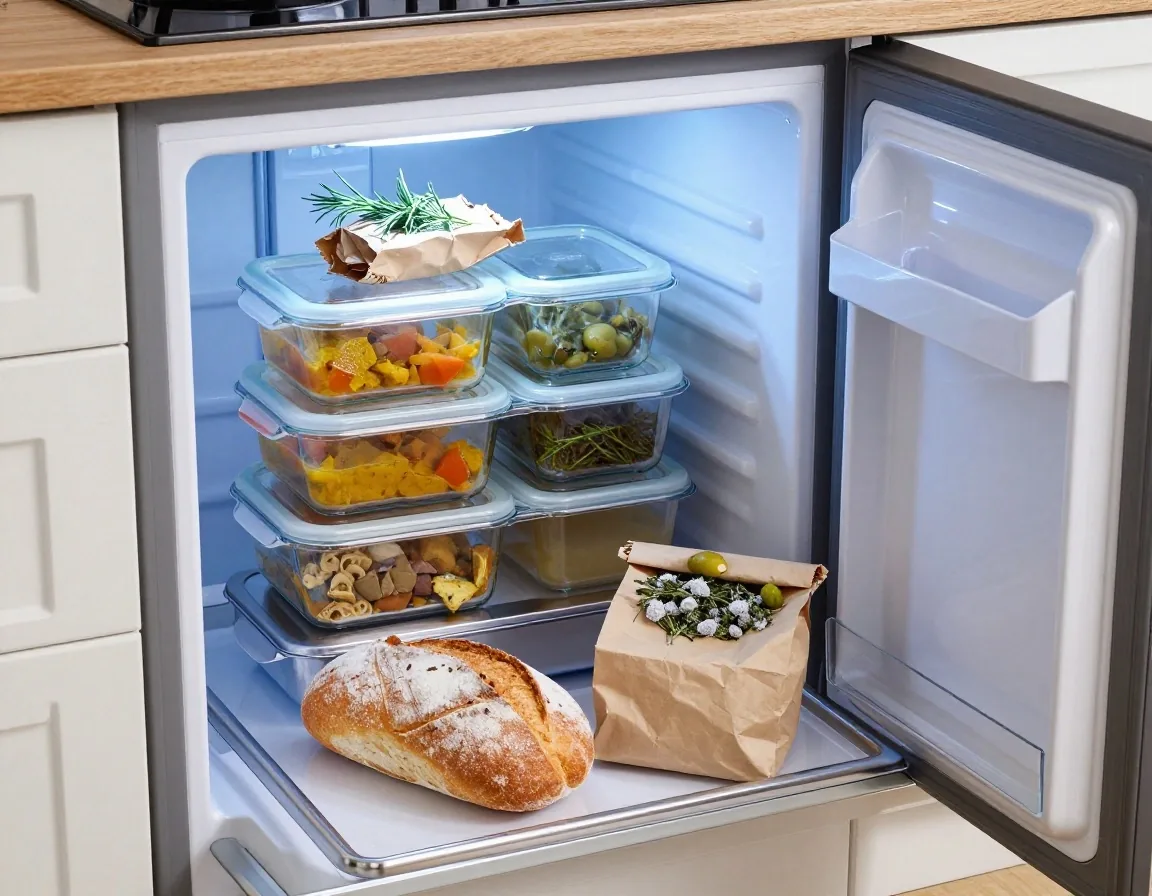
Plan a couple of meals around what's already in the fridge before you shop. Keep soft vegetables at eye level so they get used. Freeze bread, herbs, and leftover portions before they turn. None of this needs a meal-planning app.

An open fridge with leftover portions in glass containers and soft vegetables kept at eye level
Leftovers at eye level get eaten
A small kitchen caddy holding vegetable peelings and onion skins on a worktop
A freezer drawer with leftover portions in containers and a wrapped loaf of bread

What to skip

Buy a swap only when the thing it replaces has run out

Skip anything that replaces a perfectly good item you already own. That includes new matching containers when you have empty jars, and multi-surface sprays that duplicate vinegar. This keeps the kitchen change affordable and the cupboards uncluttered — and it is the difference between a low waste home guide you follow and one you abandon.

Keep a note of what you were about to buy and wait a month. If you still need it, and the old one is finished, buy the durable version then.

Sustainable lifestyle habits

When a swap fails, change the routine, not the product

Three of the swaps on this page fail for the same reason: a habit didn't change. Read what goes wrong before you write the swap off.

The beeswax wrap went greasy and stopped sticking

Almost always hot water or wet food. The wax melts off at high temperatures and a damp surface prevents the wrap from gripping. Wash in cool water with a little soap, dry flat, and only wrap cool, dry items. A wrap that has thinned out entirely can usually be re-waxed rather than replaced.

The cloth produce bags keep getting left at home

Then they don't live in the right place. Fold them into the shopping bag the moment they come out of the wash, and keep that bag by the door. Bags that travel with the bag get used; bags kept in a kitchen drawer rarely do.

Refilling stopped because the shop is out of the way

Combine it with a trip you already make, or switch that staple to a larger bag from the supermarket instead. Buying in bulk doesn't have to mean a refill shop — the point is packaging per portion, not the shop on the label.

Where do scraps go instead of the bin?

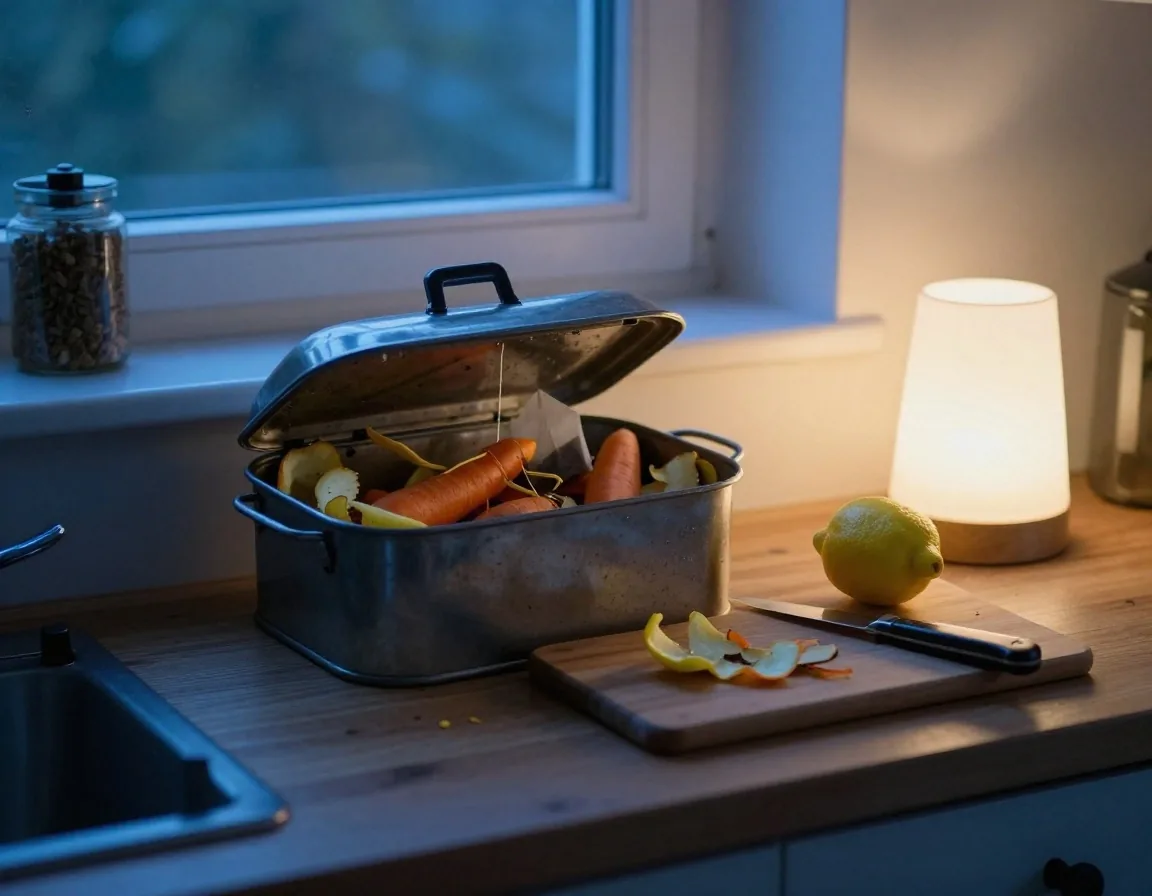
Composting food scraps at home is the natural next step once the caddy is full of peelings rather than packaging. If you don't have space for a heap, a small indoor bin or a council food waste collection keeps the same material out of landfill. Our composting page covers both routes.

Pick one swap, run it for a fortnight, then add the next

Rethink & Reuse is a UK household guide to zero waste kitchen swaps, upcycling projects, and sustainable shopping. Start with the beginner guide, or send us a question and we'll answer in plain English.